
Harmonic Filters: Powering Reliability in the Oil & Gas Industry
Introduction
 Oil and gas operations face some of the harshest environments and most demanding electrical loads in the world. From remote drilling platforms to massive refinery complexes, power systems are expected to run continuously, safely, and efficiently. Yet with the increasing use of nonlinear loads, especially variable frequency drives (VFDs) and rectifiers, harmonic distortion has become a growing challenge. Left unchecked, harmonics can shorten equipment life, increase downtime, and compromise both safety and reliability.
Passive Harmonic Filters (PHFs) are a proven solution to these challenges. Rugged, cost-effective, and designed for tough operating conditions, PHFs help oil & gas operations improve power quality, protect critical assets, and meet regulatory standards.
Harmonics in Oil & Gas Power Systems
Harmonics are voltage and current distortions caused by nonlinear loads. In oil & gas environments, harmonics are most commonly introduced by Variable Frequency Drives (VFDs) controlling pumps, compressors, and drilling equipment.
The consequences of harmonics can be severe and include overheating of motors, transformers, and cables,
- Premature equipment failure, leading to costly downtime.
- Nuisance tripping of protective devices.
- Reduced efficiency, increasing energy costs.
In remote or offshore locations where maintenance is difficult, these risks are magnified. Preventing harmonic issues at the source is critical for operational reliability.
What Are Passive Harmonic Filters?
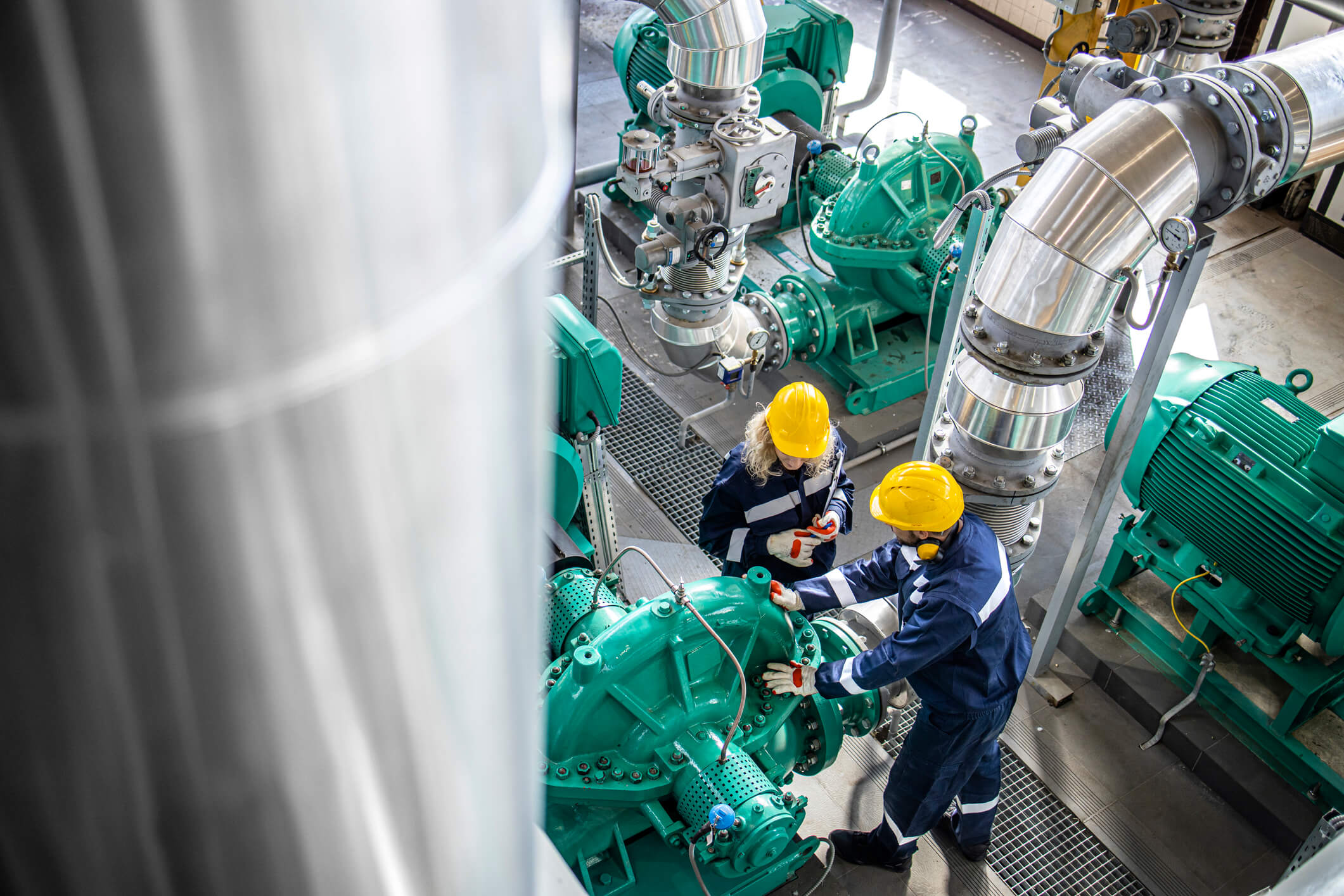 A passive harmonic filter is a combination of tuned reactors and capacitors designed to target and mitigate specific harmonics. Unlike active filters, which use electronics to dynamically correct harmonic currents, PHFs are simple, robust devices with no moving parts or sensitive circuitry.
This simplicity is a major advantage in oil & gas environments. PHFs are durable, reliable and cost-effective solutions. They are built to withstand harsh operating conditions, from dust and humidity to offshore salt exposure. PHFs have fewer components mean lower risk of failure and are generally lower upfront cost compared to active harmonic filters.
By conditioning power at the source, PHFs significantly reduce harmonic distortion before it spreads across a facility’s electrical network.
Benefits of PHFs in Oil & Gas Applications
Improved Reliability
When equipment operates on cleaner power, it runs more smoothly. PHFs reduce the stress harmonics place on motors, switchgear, and cables, helping prevent costly unplanned outages.
Energy Efficiency
By reducing harmonic currents, PHFs lower system losses. Less wasted energy means lower operating costs and improved efficiency across the facility.
Extended Equipment Life
Transformers, motors, and other high-value assets operate under less electrical stress, prolonging their lifespan and reducing the need for early replacements.
Regulatory Compliance
Most oil & gas facilities must comply with harmonic standards such as IEEE 519 or IEC limits. PHFs provide a straightforward, reliable path to compliance, avoiding utility penalties or operational restrictions.
Cost-Effective Solution
PHFs offer strong performance at a fraction of the cost of more complex active filters, making them an attractive choice for many fixed-load applications.
Rugged Design
Built without sensitive electronics and in robust enclosures, PHFs are ideally suited for the dusty, humid, and corrosive environments common in oil & gas.
Real-World Applications

Drilling Rigs: Mud pumps and draw works driven by large VFDs create substantial harmonic distortion. PHFs stabilize power quality and protect mission-critical drives.
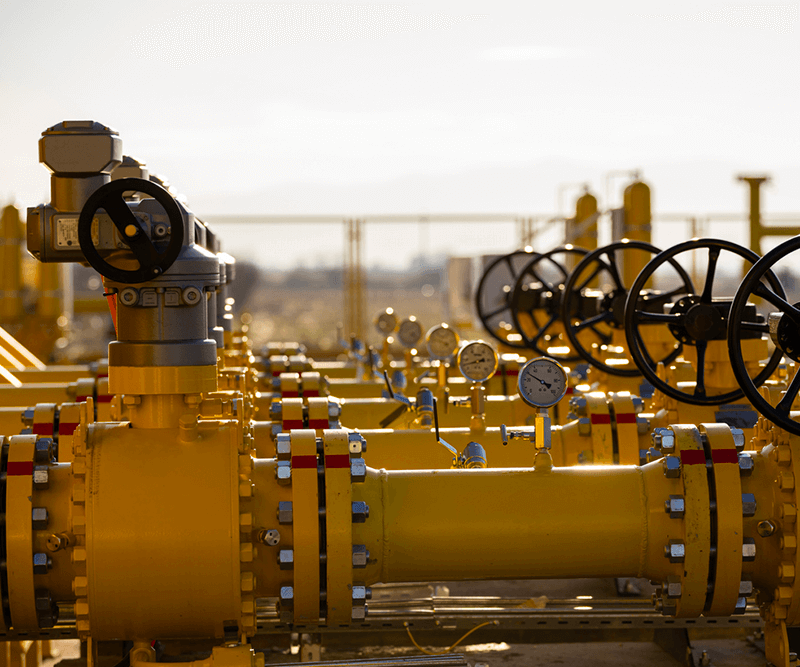
Pipelines: Pumping stations rely heavily on VFD-driven motors to maintain flow. PHFs improve efficiency and reliability over long distribution lines.
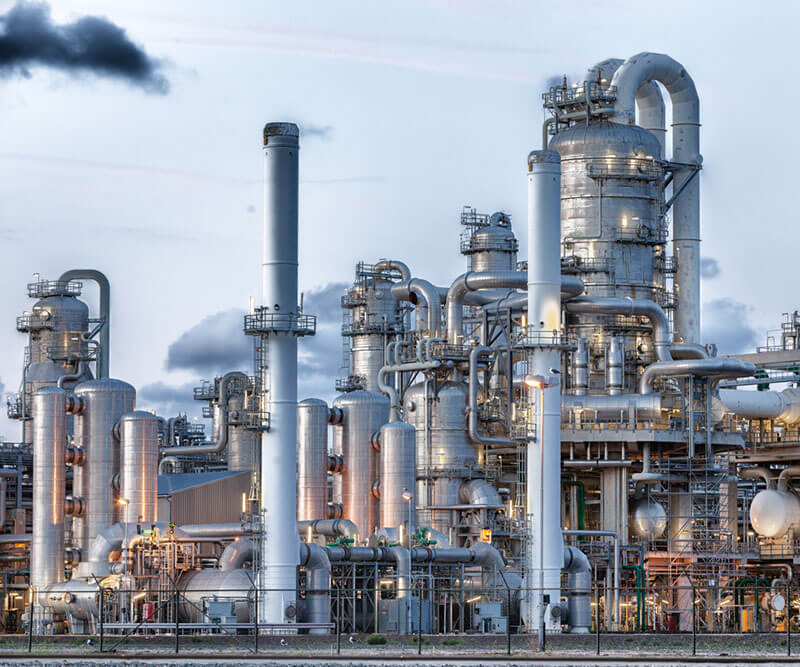
Refineries: Processing equipment and control systems are sensitive to power quality. PHFs protect infrastructure and ensure uptime.

Offshore Platforms: Limited space and access for maintenance make reliability paramount. PHFs offer simple, dependable harmonic mitigation.
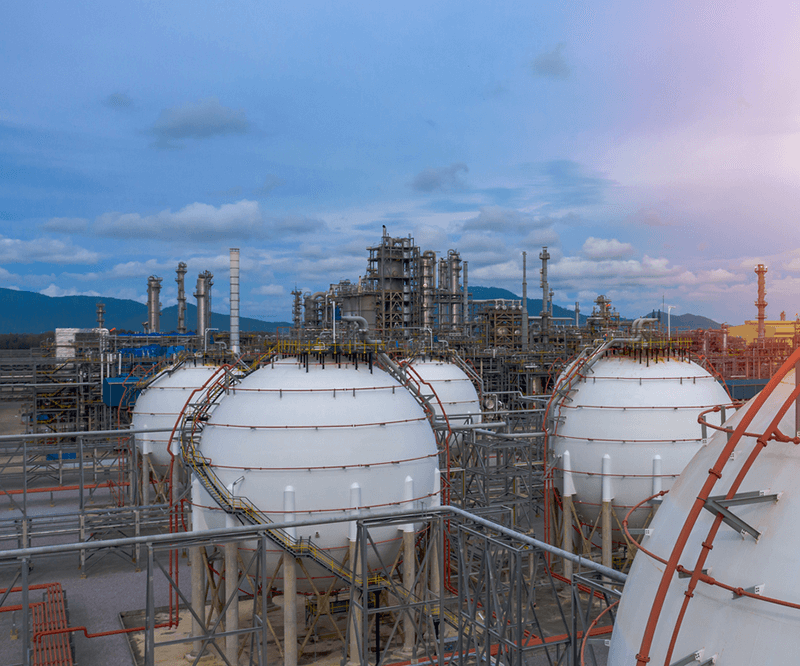
LNG Plants: Massive compressors require clean, stable power. PHFs help reduce energy waste and safeguard equipment under heavy continuous loads.
Choosing the Right Solution
Not every oil & gas facility has the same power profile, and choosing the right filter requires careful consideration. It's important consider your application and the issues that can arise. Consider the following:
- Load Profile and Harmonics – What type of nonlinear loads dominate the system in your application? Which harmonic frequencies need to be targeted?
- Environment – Offshore platforms, desert installations, and refineries each present different challenges.
- Compliance Requirements – Facilities may need to meet IEEE 519, IEC, or utility-specific limits.
In some cases, PHFs may be paired with other solutions such as line reactors or active harmonic filters for dynamic loads. Engineering support is essential to design a tailored solution.
Conclusion
The oil & gas industry depends on power systems that are reliable, efficient, and compliant, often in the most challenging environments on earth. Passive harmonic filters deliver exactly that: a rugged, cost-effective way to mitigate harmonics, protect critical equipment, and keep production running.
For operators seeking to minimize downtime, extend equipment life, and ensure regulatory compliance, PHFs provide a proven path forward. By partnering with experts in power quality, oil & gas companies can deploy filters that are engineered to their unique needs, strengthening operations today and well into the future. HPS can offer support to identify potential issues, assess existing conditions, and address any power quality concerns operators may face.
More from the HPS Blog

Power Quality Stabilization for Renewable Natural Gas Facilities - Case Study
During a recent project, a customer approached HPS with concerns about electrical instability at one of their landfill RNG facilities.